Country Analysis

United Kingdom
Europe





Brazil
In three years, Brazil’s real-time payments have grown to the world’s second largest market in real-time transactions, after India.


India
The Indian real-time payments market is the most well developed in the world by far, ahead of developed and developing markets alike.


Indonesia
Just two years into its real-time journey, Indonesia now ranks #8 in the world’s top 10 fastest-growing real-time payment markets.
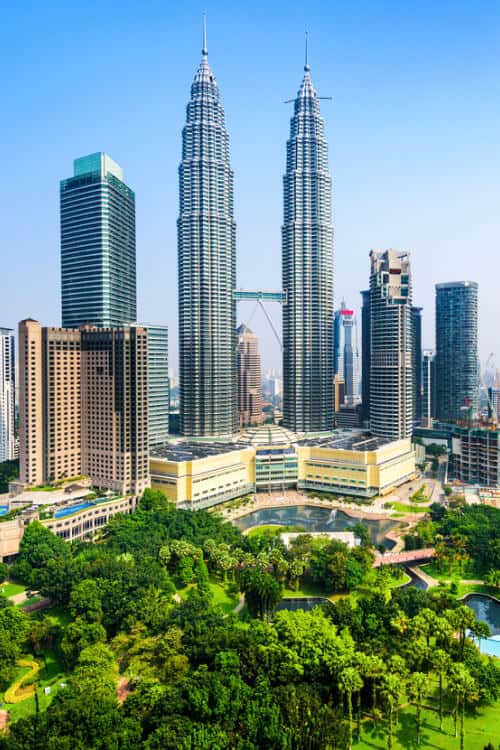

Malaysia
As it continues to consolidate and unify services, Malaysia is leading the way as a regional hub for real-time expansion and inclusion.


The Netherlands
The Netherlands was an early pioneer in instant payments and is on track to become a European real-time leader in the coming years.
Get the report
Real-time potential has become real-world proof
Learn how banks, payment service providers, merchants and consumers benefit from real-time payments across 51 markets.
Know in real time
Get expert insights delivered directly to your inbox.